If you have ever watched a classic Western movie or explored the world of outdoor survival gear, you have likely seen a Bowie knife. This iconic blade holds a legendary status in American history. It is more than just a tool; it is a symbol of frontier ruggedness and survival.
Whether you are an avid collector, a hunting enthusiast, or just curious about historical weaponry, understanding this blade is essential. This guide covers everything from its defining characteristics and rich history to famous variations and practical uses.
Let us dive into the details and explore the legacy of this incredible knife.
What is a Bowie Knife?
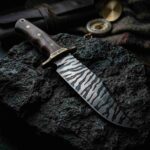
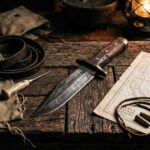
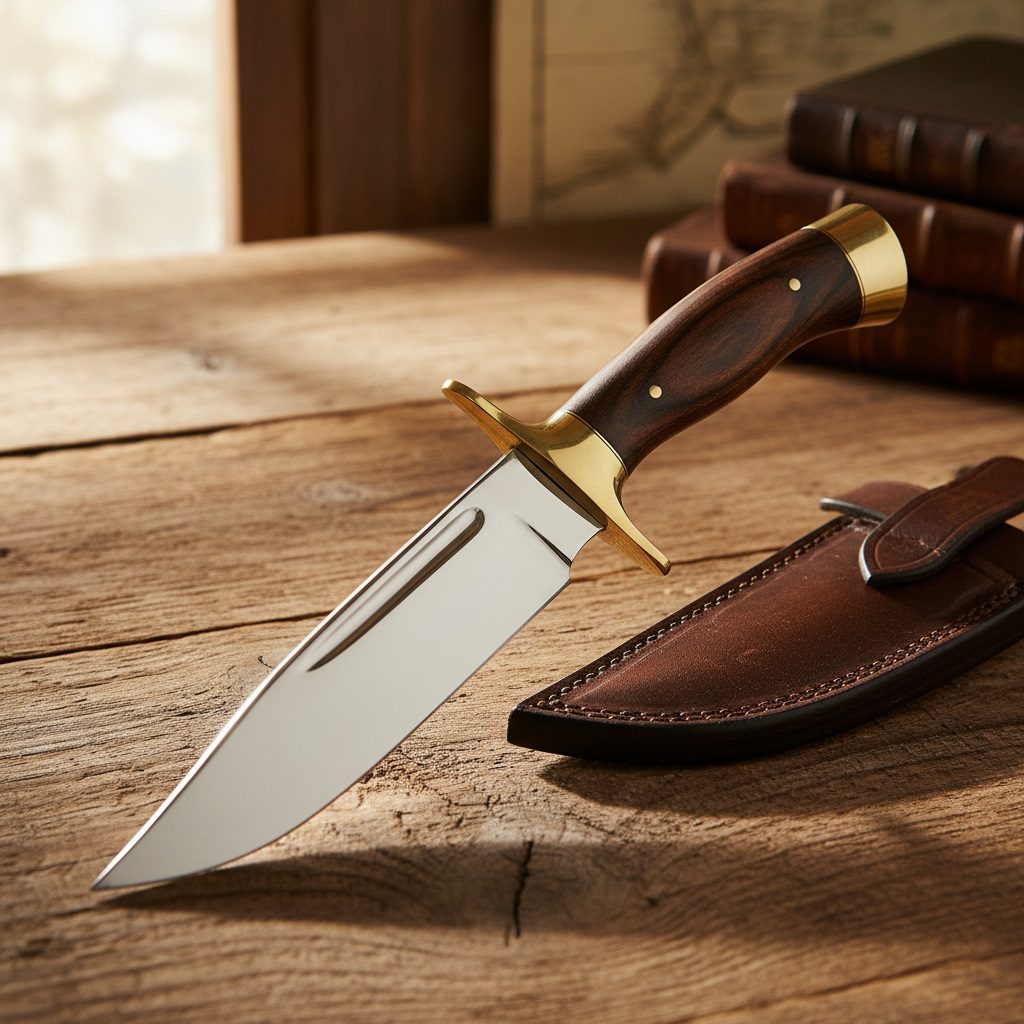
A Bowie knife is a large, fixed-blade fighting and hunting knife that originated in the United States in the early 19th century. Its most distinguishing feature is the clip-point blade. This design brings the tip of the knife lower than the spine, providing a sharper, more defined point that is excellent for piercing.
Another defining feature is the prominent crossguard. This metal piece sits between the blade and the handle, protecting the user’s hand from sliding down onto the sharp edge during heavy use. The blade itself is usually quite heavy and thick, making it durable enough for chopping wood, skinning game, and performing heavy-duty camp chores.
The handle, often made from wood, bone, or antler, is designed for a secure and comfortable grip. Together, these elements create a versatile and intimidating tool. It is rugged enough for the wild and precise enough for detailed tasks.
History of Bowie Knife
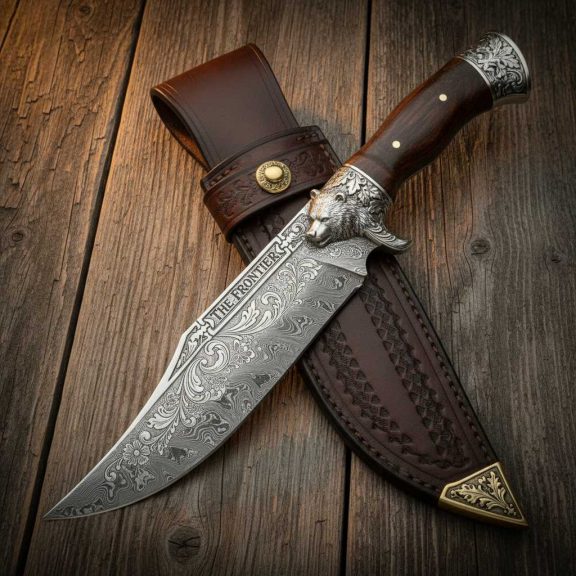
The history of the Bowie knife is deeply intertwined with American folklore and the legendary figure Jim Bowie. Jim Bowie was a frontiersman, smuggler, and eventually a hero of the Texas Revolution. He gained national fame after the Sandbar Fight of 1827. During this famous duel in Mississippi, Bowie used a large butcher-style knife to defend himself against multiple attackers, despite being shot and stabbed.
Newspapers across the country reported the sensational story. Suddenly, everyone wanted a knife just like the one Jim Bowie used. The exact design of that original knife remains a mystery. However, it was Jim’s brother, Rezin Bowie, who originally commissioned a local blacksmith to make a hunting knife for him, which Jim later carried.
Later on, an Arkansas blacksmith named James Black refined the design. He is often credited with creating the classic Bowie knife shape we recognize today, complete with the clip point and crossguard. By the time Jim Bowie perished at the Battle of the Alamo in 1836, his namesake blade had already become a legendary piece of American culture.
Case Bowie Knife
When discussing modern iterations of this classic blade, the Case Bowie knife often stands out. W.R. Case & Sons Cutlery Company is one of America’s foremost manufacturers of premium, hand-crafted knives. They have been crafting high-quality blades for over a century, and their take on the Bowie knife is highly respected by collectors and outdoorsmen alike.
A Case Bowie knife typically features a large, polished stainless steel blade that resists corrosion while holding a razor-sharp edge. The handles are often crafted from durable materials like synthetic polymers, genuine stag, or beautiful hardwood. These knives are built to perform in the field while looking stunning on a display shelf.
Collectors value Case knives for their exceptional craftsmanship and attention to detail. Owning a Case Bowie means holding a piece of modern American cutlery history. It perfectly bridges the gap between historical reverence and practical, modern utility.
Leather Bowie Knife Sheath
Because of its size and razor-sharp edge, you cannot safely carry this blade without a proper leather Bowie knife sheath. A sheath is absolutely critical for protecting both the knife and the person carrying it. Leather has long been the traditional and preferred material for these sheaths.
A high-quality leather sheath molds perfectly to the shape of the blade over time. This provides a secure, custom fit that prevents the knife from slipping out during movement. Heavy-duty stitching and metal rivets are often used to reinforce the seams, ensuring the sharp edge does not slice through the material.
Taking care of your leather sheath is just as important as maintaining the knife itself. Regularly applying a leather conditioner keeps the material supple and prevents it from drying out or cracking. A well-maintained leather sheath will last a lifetime, aging beautifully alongside your trusty blade.
World’s Largest Bowie Knife
If you want to see a true testament to the cultural impact of this blade, you need to visit Texas. The world’s largest Bowie knife is located in the town of Bowie, Texas. This massive monument pays tribute to the town’s namesake and the legendary weapon he made famous.
The monument stands at a staggering 20 feet long and weighs over 3,000 pounds. It features a stainless steel blade and a beautifully crafted handle that mimics the traditional wood and brass design. The town erected this giant sculpture in 2016, and it quickly became a popular roadside attraction.
Visiting this massive monument offers a fun and unique photo opportunity. It also serves as a reminder of how deeply ingrained this specific knife design is in the mythology of the American West. It is a fitting tribute to a larger-than-life historical figure.
Frequently Asked Questions
What is a Bowie knife used for?
Historically, it was designed as a fighting knife and a rugged outdoor tool. Today, outdoorsmen use it for a wide variety of tasks. It is excellent for hunting, skinning game, chopping wood, clearing brush, and general campsite maintenance. Its heavy blade and sharp point make it a versatile survival tool.
Who invented the Bowie knife?
The invention is generally attributed to a combination of people. Rezin Bowie, Jim Bowie’s brother, designed the original large hunting knife. However, an Arkansas blacksmith named James Black is widely credited with refining the design into the iconic clip-point blade with a crossguard that we recognize today.
How long is a Bowie knife?
There is no strict rule for the length, but traditional models are quite large. The blade alone usually measures between 6 and 12 inches long, with some historical examples reaching up to 15 inches. Including the handle, the total length often ranges from 11 to 18 inches, making it a substantial and imposing tool.
Conclusion
The Bowie knife is a remarkable piece of American history that continues to be a practical tool for modern outdoor enthusiasts. Whether you are looking to purchase a beautifully crafted Case model, searching for the perfect leather sheath, or planning a road trip to see the world’s largest monument in Texas, this blade offers something for everyone.
If you plan to add one to your collection, take the time to research different materials and handle designs. Invest in a high-quality leather sheath and practice proper maintenance to ensure your blade lasts for generations.